Meet our inspiring keynote speakers, who bring diverse perspectives and expertise to the conference.
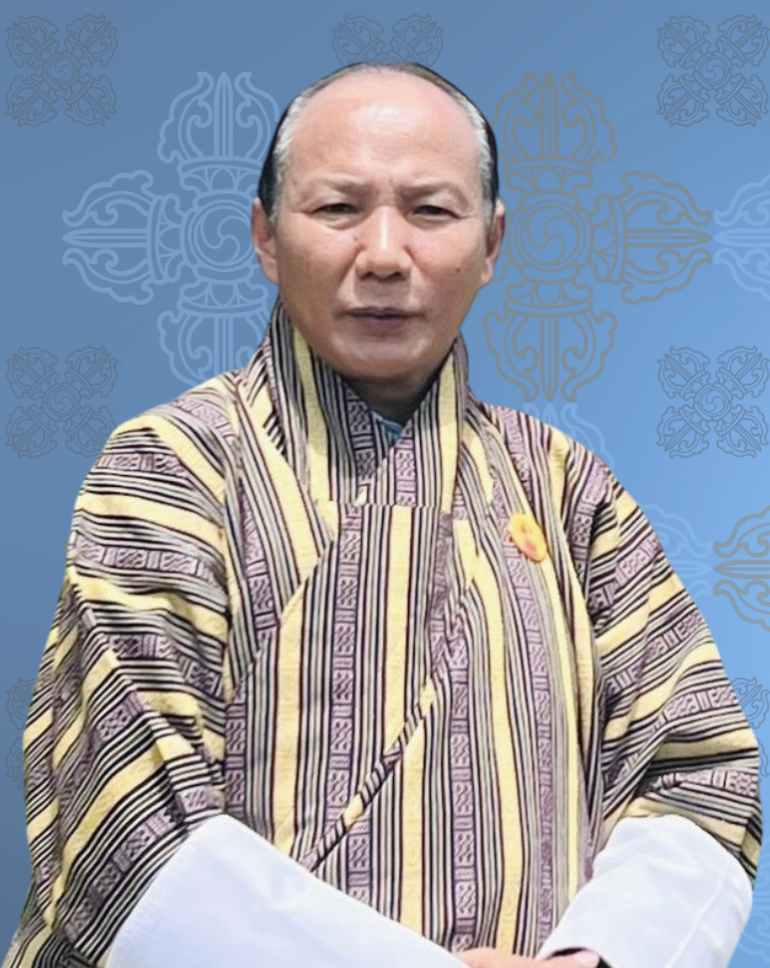
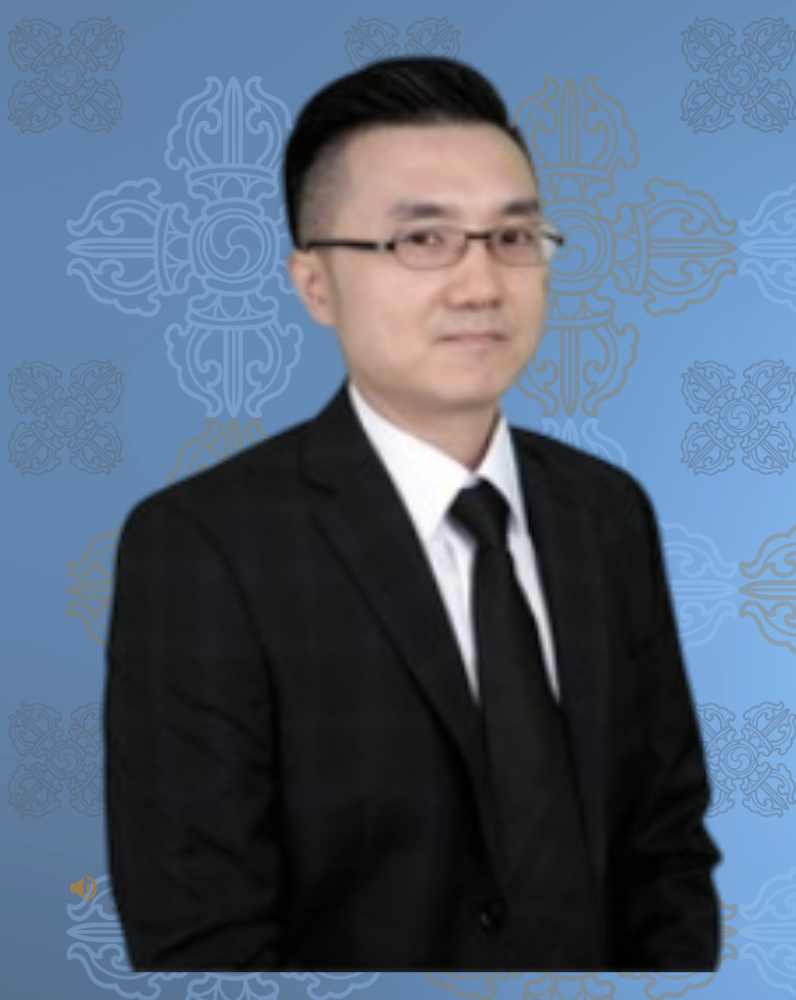
Dasho Chewang Rinzin
Vice Chancellor, Royal University of Bhutan
Dasho Chewang Rinzin was appointed as the Vice Chancellor of the Royal University of Bhutan by His Majesty The King on 20th December 2024. Prior to this appointment, he served as the director of the Royal Institute for Governance and Strategic Studies (RIGSS) and concurrently as a Dy. Chamberlain to His Majesty The King. He worked at the institute for 11 years (2013-2024) and was its founding director.
Dasho Chewang Rinzin started his career as an engineer at the Bhutan Standards Bureau (BSB) where he served for 11 years (2002-2013). While at BSB, he was a member of the core negotiating team for Bhutan’s accession to the World Trade Organisation (WTO) as the expert on Technical Barriers to Trade. Chewang has a Bachelor’s degree in Electrical and Electronics Engineering from the University of Kerala in India and a Master’s degree in Public Administration from the Lee Kuan Yew School of Public Policy, National University of Singapore.
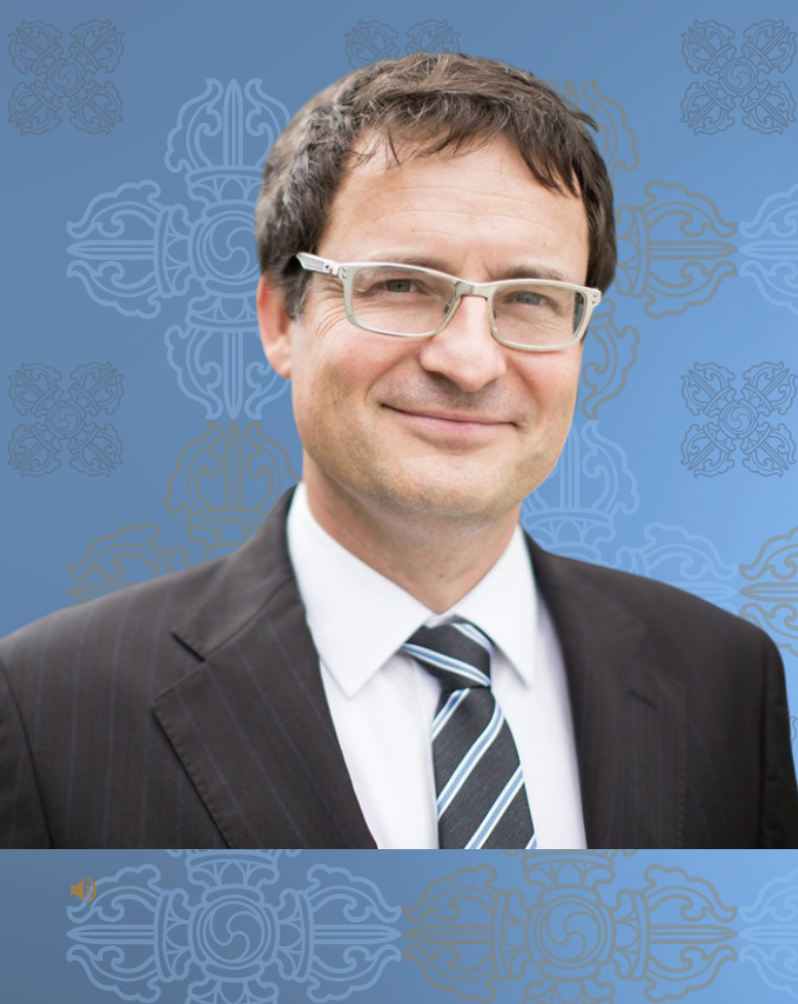
Dr Annie Gowing
Student Wellbeing Specialisation Leader, Faculty of Education, The University of Melbourne, Australia
Dr Annie Gowing leads the Wellbeing Specialisation in the Master of Education at The University of Melbourne. With a background in both social work and education, she has been active in the area of wellbeing within schools and in policy development for over 30 years. The contribution of interpersonal capabilities in contributing to wellbeing outcomes in organisations underpins all her research interests which are broadly centred on the ways in which student and educator wellbeing is understood, implemented, monitored and evaluated in schools.
Her PhD study was on school connectedness and the intersections and confusions between this term and belonging continue to preoccupy her, particularly as they play out in education policy. The relational climate in schools and higher education settings, along with the teacher-student relationship, teacher education, and the concepts of compassion and care in the school context and their inter-cultural understandings, are among her key research interest.
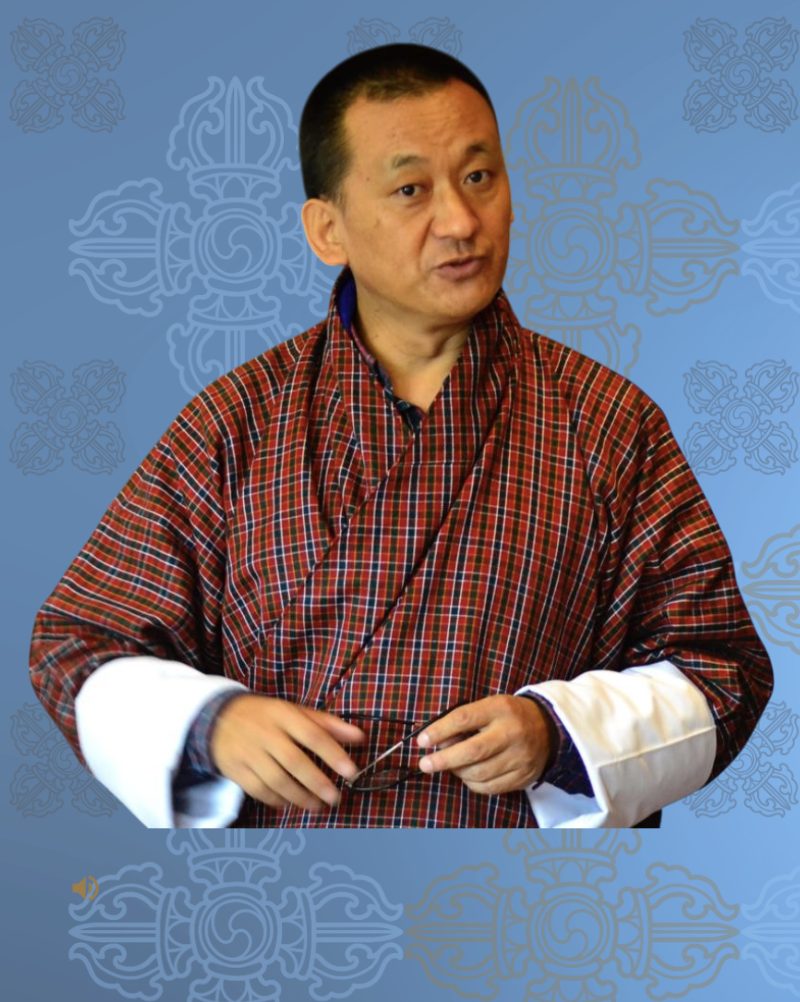
Dr Pem Namgyal
President, Khesar Gyalpo University of Medical Sciences of Bhutan
Dr Pem Namgyal earned his MBBS from the All-India Institute of Medical Sciences, New Delhi (1986), and an MPH in Epidemiology from Johns Hopkins Bloomberg School of Public Health, USA (1991). He served the Royal Government of Bhutan (1987–2000) and then worked with the World Health Organization for 24 years, contributing to vaccine policy, health systems, and disease surveillance. He rose to become Director of Programme Management at WHO’s South-East Asia Regional Office in New Delhi. He currently serves as President of the Khesar Gyalpo University of Medical Sciences and Jigme Dorji Wangchuck National Referral Hospital, Thimphu
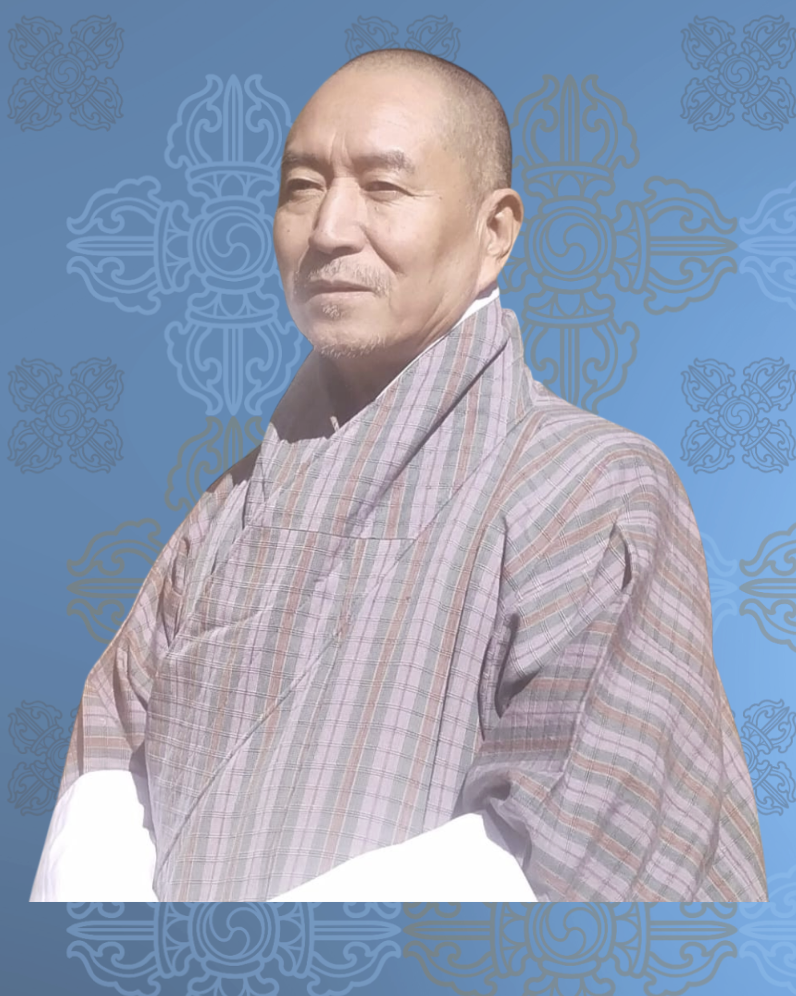
Mr Chimi Rinzin
Country Director, World Wildlife Fund
Mr Chimi Rinzin assumed the role of Country Director, WWF-Bhutan, from 1 August 2022. As a Country Director, he works to advance the conservation programme and leadership in partnership with communities, CSOs, NGOs, and government agencies. He has Masters in M.Sc. Natural Resource Management from the Asian Institute of Technology, Bangkok, Thailand and is passionate about Environment and Natural Resource Management, Sustainable Development, and Climate Change.
He has more than 20 years of work experience with demonstrated leadership in organisational management and growth, policy, programme and portfolio development, resource mobilisation, & execution with a clear focus on achieving results. He holds strong network and partnership with government agencies, civil society organisation and development partners. Prior to joining WWF-Bhutan, he served as a Portfolio Specialist, Climate Change Adaptation and Disaster Risk Reduction at UNDP Bhutan.
Prof. Ken-Tye Yong
Associate Dean (External Engagement), Faculty of Engineering. The University of Sydney, Australia
My keynote will explore how Organ-on-Chip (OOC) and Lab-on-Chip (LOC) technologies—miniaturized platforms that replicate the physiological functions of human organs—are transforming the landscape of healthcare, sustainability, and ethical innovation. These emerging systems enable precise disease modelling, humane and data-driven drug testing, and personalized treatment approaches. Their development reflects a broader global movement toward scientific progress grounded in responsibility and mindfulness, aligning closely with Bhutan’s developmental vision under the framework of Gross National Happiness (GNH).
Drawing upon my research at the University of Sydney, I will discuss how our team has pioneered a new generation of microfluidic platforms capable of biomimetic organ modelling, including liver, lung, and cancer tissues for accurate drug evaluation and toxicity studies. We have also advanced animal-on-a-chip systems that provide humane and high-fidelity alternatives to traditional animal testing, and multi-organ integration or “human-on-a-chip” technologies that simulate body-wide interactions to improve predictive healthcare. Complemented by ongoing research in AI-driven microfluidic optimization, these innovations promise scalable, personalized, and accessible healthcare solutions for both human and veterinary medicine.
Beyond biotechnology, this keynote connects frontier science to Bhutan’s holistic philosophy of wellbeing and mindful innovation. It argues that technology must evolve in balance with compassion and sustainability, creating pathways for Bhutan and the broader global community to lead in ethical, human-centred scientific ecosystems. This vision resonates strongly with the ABRC 2025 themes of Innovation in Higher Education, Digital Mindfulness and Human–Technology Relations, and Integration of STEM for Societal Impact, positioning scientific advancement as a bridge between innovation, ethics, and the collective pursuit of happiness.
Professor Uwe Dulleck
Executive Dean, University of Canberra
Professor Uwe Dulleck is the Executive Dean of the Faculty of Business, Government and Law at the University of Canberra, and Adjunct Professor at QUT. Trained in Berlin, his work spans 20+ years across Europe and Australia. He is a recognised expert in behavioural economics, public policy evaluation, incentive theory, and expert services. He has led major ARC research initiatives, advised government through BETA, and convened influential Nudgeathons and Winter Schools. His research is widely cited internationally and has shaped policy documents in Australia and beyond. He has held senior leadership roles, supervises research translation, and has an extensive publication impact.
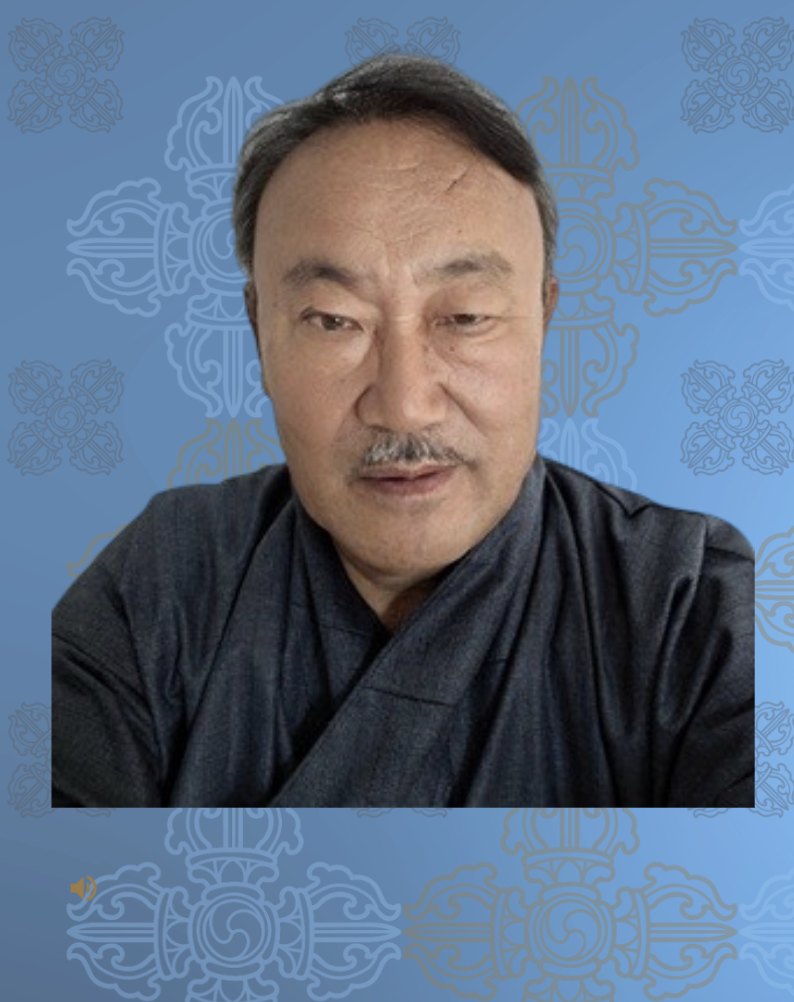
Dr Dorji Thinley
President, Paro College of Education
A student of Buddhist studies, Dorji Thinley, PhD (Cum Laude), is a teacher educator with extensive experience in Bhutan’s higher education system. He has held leadership positions, including Dean, Director of Research and External Relations at the Royal University of Bhutan, and President of the colleges of education in Bhutan. He has led initiatives that integrate Bhutanese heritage—including mind training, meditation, and music—with contemporary educational approaches such as STEM and AI.
He has established several centres of learning in the colleges of education that weave Bhutanese art, music, dance, textiles, lived culture, spirituality, and modern educational practices in an integrated manner. Dorji was the founding Managing Editor of the Bhutan Journal of Research and Development and has built partnerships with institutions worldwide. His work spans educational policy, research, and publications on education, culture, and well-being. He is the author of The Boneless Tongue (2024) and 360 Wisdoms for Today (2025) by Acarya Nagarjuna (in press).
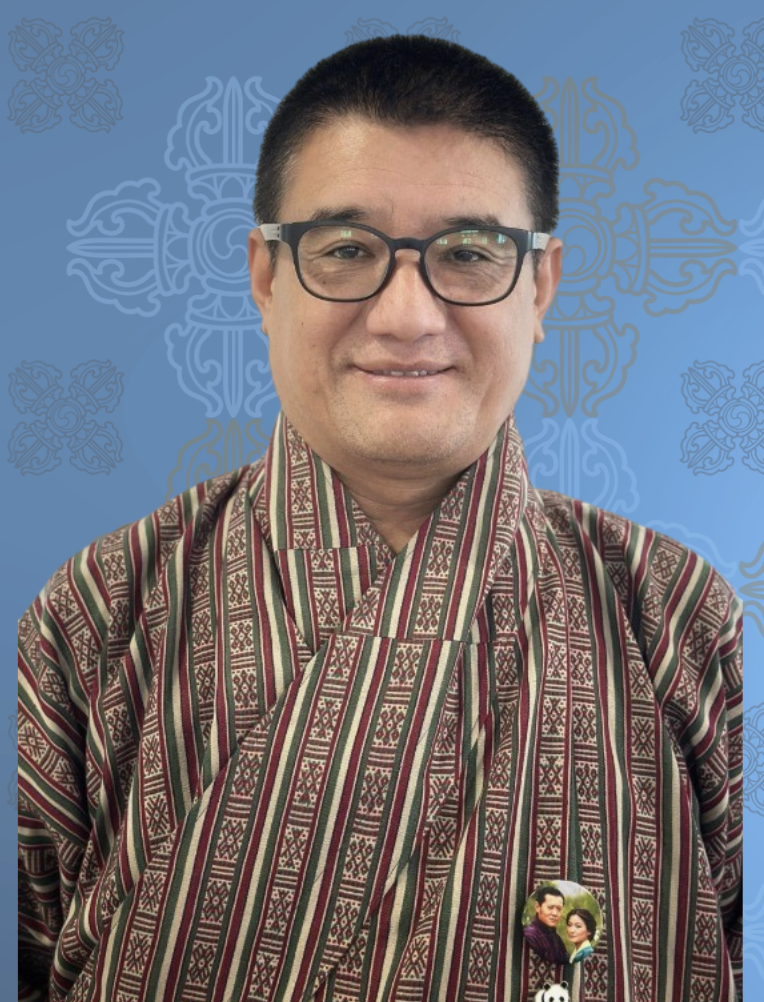
Professor Dhan Bdr Gurung (PhD)
College of Natural Resources, Royal University Bhutan
Professor Dhan Bdr Gurung (PhD) began his career with Bhutan’s Royal Civil Service Commission in 1989 and joined the Natural Resources Training Institute (now CNR) as Lecturer in 1991. He played a key role in CNR’s academic and research growth under the Royal University of Bhutan, serving as Dean of Academic Affairs and Dean of Research and Industrial Linkages. A Professor of Forest Science, he has led international projects funded by DANIDA, NORHED, and SNSF. His research spans taxonomy, biodiversity, and climate science, including fish diversity and permafrost dynamics, advancing resilient, evidence-based solutions for Bhutan’s changing environment.